The short answer
Choose Phonexa if you are a lead generator, network, or buyer running market economics: ping trees that rank buyers by price, priority, or weight, ping post bidding, buyer caps, fraud detection, and pay-per-call routing across finance, insurance, solar, and home services. Choose Lucidity if the leads belong to your business and the job is pipeline quality: validate contact data, route to the CRM destinations each business uses, and prove every delivery.
Rule of thumb: if the phrase "revenue per lead across buyers" describes your week, that is Phonexa. If the phrase is "why did this lead never reach our CRM," that is Lucidity. Lead buyers often run both: Phonexa on the sell side, Lucidity on the intake side of their own pipeline.
Lucidity vs Phonexa at a glance
| Capability | Lucidity | Phonexa |
|---|---|---|
| Primary job | Lead validation, routing, and attribution before the CRM. | Lead and call distribution across buyers. |
| Routing model | Per-business Destinations, fixed by you, with a validation gate before delivery. | Ping trees: price-based, priority-based, weight-based, parallel pings, ping post, even distribution. |
| Lead types | Form, webhook, and email leads, ADF and JSON. | Web leads and calls through market flows. |
| Validation role | Contactability checks on phone, email, address, name, duplicates, and source, with a routing outcome. | Real-time filtering, duplicate checks, and fraud detection for buyer acceptance. |
| Delivery evidence | Every attempt to your Destinations recorded: pending, succeeded, or failed, with resend. | Transaction and reject-reason reporting across buyer campaigns. |
| Call handling | None. | Call Logic: pay-per-call routing, API bidding, IVR builder, AI call agents, recording. |
| Attribution | First-party lead records, tracking pixel, per-business GA4 property links. | Campaign, publisher, and buyer performance analytics. |
| Pricing | No public plan table; demo-based. | Custom bundles with managed services; quote only. |
Methodology, verified September 14, 2026: Phonexa facts come from its product pages. Lucidity facts come from this site and its product documentation.
Two definitions of routing
Phonexa's ping tree is an auction and a queue at once: a lead is pinged to buyers, non-PII first, then posted to the highest or highest-priority acceptor, with caps, weights, and A/B testing across trees. The optimization target is yield per lead.
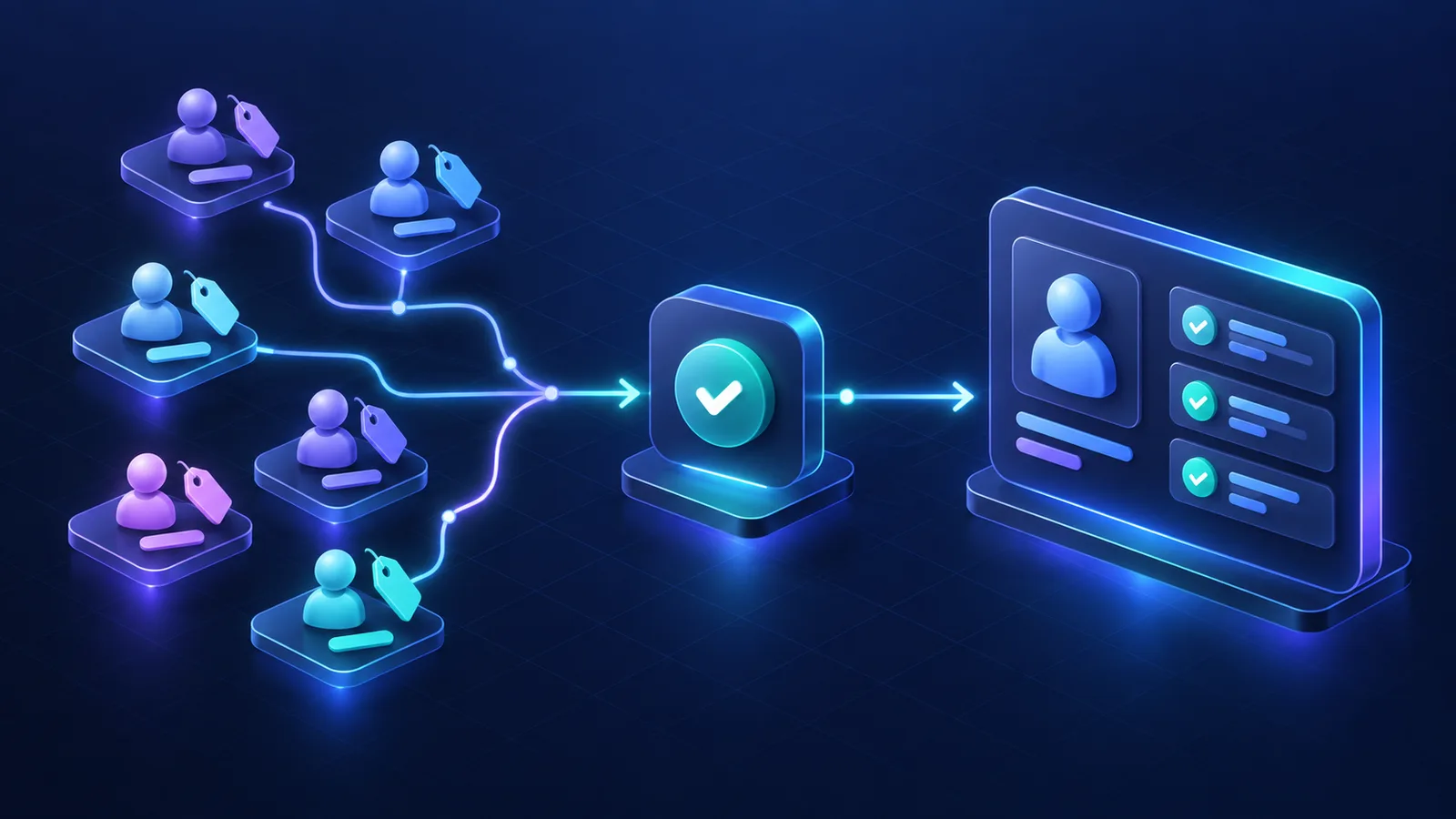
Lucidity's routing is a policy, not a market: each Business has Destinations it chose, each lead runs validation, and qualified leads are delivered with a recorded outcome. The optimization target is a clean handoff you can audit. If you do not have buyers bidding, the auction machinery is overhead.
Validation for acceptance versus validation for contactability
Phonexa validates leads against buyer acceptance criteria: filters, duplicates, fraud signals, reject reasons. Its analytics tell you why a buyer declined.
Lucidity validates leads against contactability: is the phone reachable, the email deliverable, the address real, the person contactable at all, with per-check evidence and a conservative outcome that holds ambiguous leads for review instead of discarding them. Its records tell you whether a human was reachable and where the lead went. A lead buyer can use both: accept against market criteria, then let Lucidity gate the CRM handoff.
Who each product is for
Phonexa serves lead generators, networks, and volume buyers in high-ticket verticals where leads are inventory. Lucidity serves operators and agencies whose leads are their own customers' inquiries: multi-location groups, agencies managing client businesses, and single businesses with messy form and marketplace intake. If you self-describe as a lead company, buy the market platform. If you self-describe as the business the lead was about, buy the pipeline. See Phonexa alternatives for the full field and lead routing for agencies for the agency model.
Running both
The natural seam: a network or marketplace delivers purchased leads to a buyer's webhook. Point that webhook at a Lucidity Intake. Lucidity validates the contact data before it reaches the CRM, suppresses duplicates across every source, routes to the destinations that business uses, and records each delivery. The buyer keeps market analytics from the sell side and gains pipeline evidence on their own side.
Frequently asked questions
Does Lucidity replace Phonexa?
Only for businesses that do not sell leads. Phonexa's ping trees and buyer management route leads to competing buyers by price. Lucidity routes your own leads to your own destinations with validation and delivery evidence, and has no bidding or buyer network.
Can a lead buyer use both?
Yes. Point marketplace or network deliveries at a Lucidity webhook Intake. Lucidity validates contact data, suppresses duplicates, routes into the buyer's CRM, and records every delivery attempt.
How do their routing models differ?
Phonexa ranks buyers with price, priority, weight, parallel ping, and ping post flows, optimizing revenue per lead. Lucidity applies a per-business validation outcome and delivers to configured destinations, optimizing an auditable handoff.
Turn purchased leads into a clean pipeline
However leads arrive, see Lucidity validate them, route them to your destinations, and record every delivery attempt.
Request a Lucidity routing demo