The short answer
Choose Invoca if inbound calls are a revenue channel you govern at enterprise scale: thousands of tracking numbers, custom Signal AI models for intent and outcome, quality management, redaction, and HIPAA, SOC 2, and PCI compliance under a quote-based contract. Choose Lucidity if the unresolved problem is non-phone leads: form posts, marketplace feeds, and webhooks that need contact validation, routing to the right CRM, and proof of delivery.
Rule of thumb: Invoca is a call conversation platform; Lucidity is a lead pipeline platform. They share no core capability. An enterprise with heavy call volume and active web forms can run Invoca on the phone channel and Lucidity in front of the CRM.
Lucidity vs Invoca at a glance
| Capability | Lucidity | Invoca |
|---|---|---|
| Primary job | Lead validation, routing, and attribution before the CRM. | Enterprise conversation intelligence and pay-per-call routing. |
| Lead types | Form, webhook, and email leads, ADF and JSON. | Calls, analyzed with custom Signal AI models. |
| Call tracking numbers | No. | Yes, thousands per plan, with dynamic insertion. |
| Conversation AI | No. | Custom models, keyword spotting, sentiment, summaries, redaction, quality management. |
| Contact validation | Phone, email, address, name, duplicate, and source checks with a routing outcome before delivery. | Validation of call attributes and conversations, not pre-route contact data gates. |
| Routing | Lead records to CRM Destinations with delivery evidence. | Real-time call routing with webhooks and advanced IVR for pay-per-call programs. |
| Compliance posture | Read-only OAuth 2.1 MCP, scoped memberships, audit events. | HIPAA, SOC 2, PCI, redaction built for regulated industries. |
| Buying path | Demo-based, no public plan table. | Quote-only, no trial, multi-year contracts, weeks-to-months setup. |
Methodology, verified September 14, 2026: Invoca facts come from its pricing page. Lucidity facts come from this site and its product documentation.
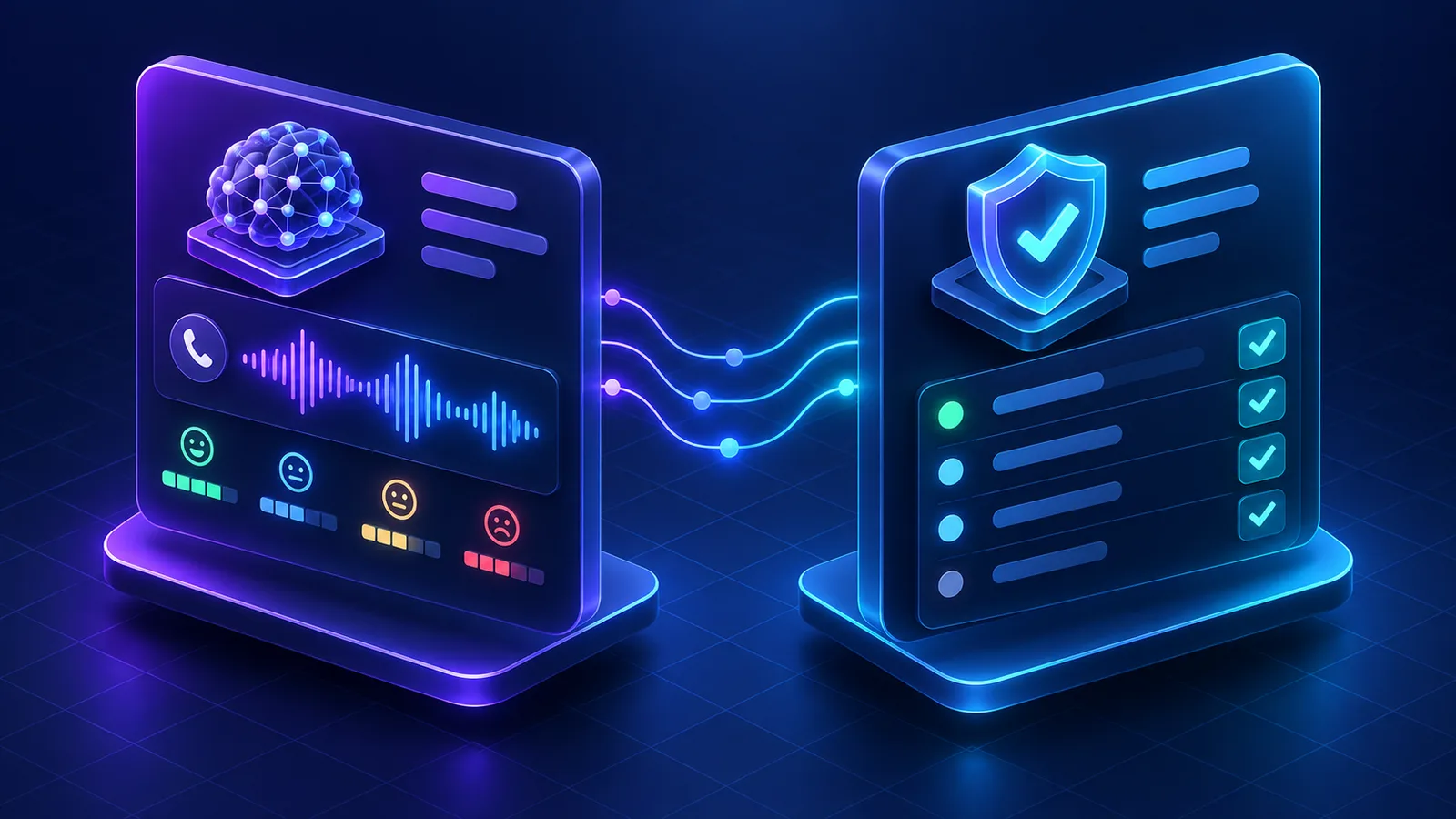
Invoca listens, Lucidity gates
Invoca's Signal AI suite builds custom models on your call corpus: caller intent, product interest, outcome, topics, sentiment, with automated redaction and AI summaries. Quality management turns those models into agent scorecards and coaching. The unit of truth is the conversation.
Lucidity validates contact data before routing. Every lead runs checks on phone, email, address, name, duplicates, source, attribution, and history, each with status, confidence, and reason codes, producing an explicit qualified, review, discarded, or error outcome that gates delivery. The unit of truth is the contactable lead record. Different shapes of truth for different channels.
Routing with different payloads
Invoca's Performance Enterprise plan routes calls in real time with webhooks, advanced IVR, and call whisper, built for pay-per-call monetization. Lucidity routes lead records to CRM destinations through 16 connectors and records every attempt. When a pay-per-call webhook delivers a call lead record onward, Lucidity is a natural place for that record to be validated and persisted with evidence.
Enterprise posture, different surfaces
Invoca's compliance scope covers regulated conversation data. Lucidity's posture covers access and audit: scoped memberships per workspace, client group, or business, security audit events, and a read-only MCP server that never accepts API tokens or browser cookies, only its own OAuth 2.1 grants. If your enterprise question is "who touched this lead and where was it sent," that is the Lucidity surface.
Running both
The division of labor that works in practice: Invoca owns the call channel and its conversation intelligence. Lucidity owns everything that arrives as a record: website forms, marketplace feeds, platform webhooks, and even call leads exported onward from Invoca. Each business in Lucidity gets its own intakes, destinations, GA4 link, and reports. Invoca alternatives covers the full field if you are rethinking the call side too.
Frequently asked questions
Does Lucidity replace Invoca?
No. Invoca provides call tracking, custom AI conversation models, and pay-per-call routing. Lucidity has no call features. It handles form, webhook, and email leads end to end: validation, routing, delivery evidence, attribution.
Can enterprise teams run Invoca and Lucidity together?
Yes. Invoca governs the call channel; Lucidity receives form, marketplace, and webhook leads, validates contactability, routes to destinations, and records every delivery. They overlap only at reporting reconciliation.
How do their validation capabilities differ?
Invoca's Signal AI validates conversations: intent, outcome, sentiment from what was said. Lucidity validates contact data: phone, email, address, name, duplicates, and source, producing an explicit routing decision before delivery.
Give every lead an auditable path
See Lucidity validate, route, and deliver your form and webhook leads with a record for every attempt, alongside whatever owns your calls.
Request a Lucidity routing demo